Regulatory Deadlines Influence Jackpot Trigger Mechanisms in Switzerland Mobile Slot Environments
Zara Vogel · Oct 3, 2026
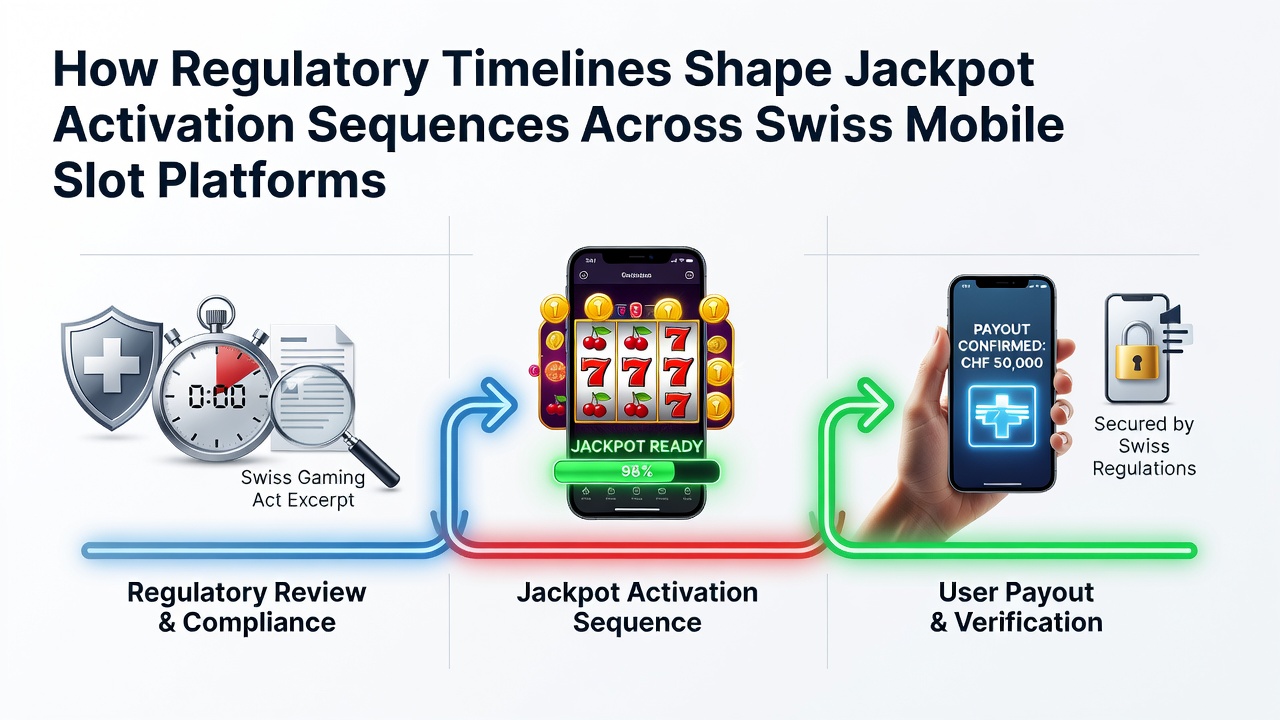
Regulatory Deadlines Influence Jackpot Trigger Mechanisms in Switzerland Mobile Slot Environments
Swiss gambling authorities establish fixed review periods for jackpot system approvals, and these schedules directly determine when operators can activate cumulative prize pools on mobile slot platforms. Federal rules require platform providers to submit detailed sequence protocols at least 90 days before any planned activation, while data from the Federal Office of Justice shows that processing times average between 45 and 75 days depending on the complexity of the random number generator integration. Operators must therefore align their internal testing cycles with these deadlines or risk missing scheduled launch windows for progressive features.
Approval Cycles and Sequence Synchronization
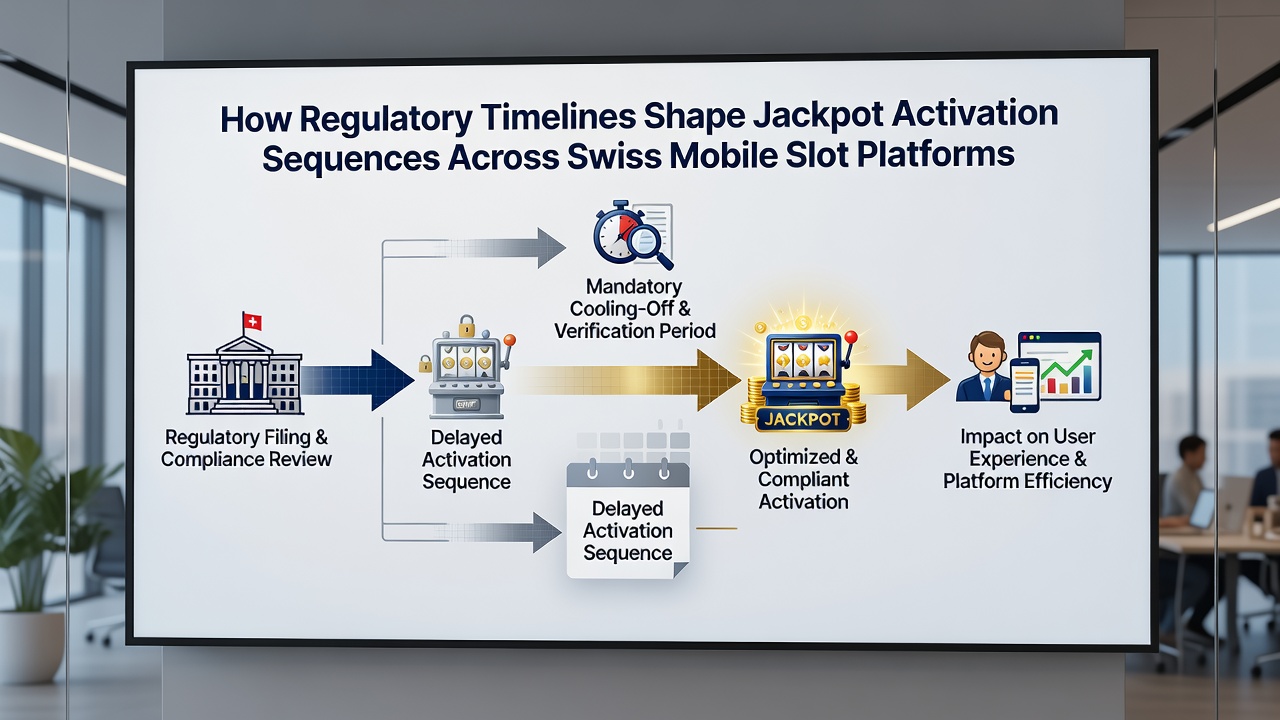
Each regulatory milestone imposes sequential gates that mobile slot developers navigate before jackpot triggers become live. Initial documentation submission covers payout probability models, followed by a technical audit phase that examines server-side timing modules responsible for prize pool increments. According to reports from the Swiss Federal Gaming Commission, delays in the audit stage often stem from discrepancies in how mobile applications handle intermittent network connections during jackpot accumulation. Those who coordinate submission dates with the quarterly review calendar find that activations proceed more smoothly, whereas rushed filings frequently encounter requests for additional data that extend timelines by several weeks.
Platform updates scheduled for October 2026 will introduce mandatory real-time reporting intervals for jackpot balances, requiring operators to adjust their activation sequences to accommodate continuous data feeds to oversight systems. This change builds on existing requirements that already mandate 48-hour notice periods before any modification to prize distribution algorithms.
Impact on Mobile-Specific Technical Requirements
Mobile slot platforms operate under stricter latency constraints than desktop versions, and regulatory timelines account for these differences by allocating extra verification periods for touch-interface jackpot animations and push-notification triggers. Research conducted by the European Gaming Institute indicates that synchronization between client-side displays and central servers must remain within 200 milliseconds to satisfy compliance standards, a threshold that influences how developers structure their activation scripts. When regulatory reviews extend beyond projected durations, operators postpone entire feature rollouts rather than risk partial implementations that could violate sequence integrity rules.
Comparative Approaches Across Jurisdictions
Swiss procedures differ from those observed in other regulated markets because they tie approval validity periods directly to calendar quarters rather than rolling submission windows. Data compiled by the Australian Gambling Research Centre reveals that similar linkage systems in certain Australian states allow more flexibility for mobile operators, while Canadian provincial frameworks emphasize pre-certification testing that occurs independently of activation dates. Swiss regulators maintain a centralized database that tracks every approved jackpot sequence, which creates a traceable record but also means any timeline slippage affects multiple operators simultaneously when shared backend services require revalidation.
One documented case involved a major provider that submitted revised trigger parameters in late 2025, only to encounter an extended review because the mobile application incorporated a new bonus round that altered prize pool distribution logic. The resulting delay pushed activation from September into December, illustrating how interconnected regulatory checkpoints can cascade through development schedules.
Future Adjustments and Implementation Patterns
Upcoming modifications effective in October 2026 will require all mobile slot platforms to incorporate automated compliance logging that timestamps each step of the jackpot activation process. These logs must remain accessible for a minimum of 18 months, and regulators have indicated that random sampling audits will increase in frequency during the transition period. Operators who already maintain detailed internal records report smoother adaptation to such changes, since their existing systems align more closely with the new documentation demands.
Conclusion
Regulatory timelines establish the operational rhythm for jackpot activations across Swiss mobile slot platforms, and adherence to these schedules determines whether prize pool features reach users within planned timeframes. The interplay between submission deadlines, technical audits, and mandatory reporting intervals creates a structured environment where timing precision directly affects system deployment. As October 2026 approaches, platforms continue to refine their processes to meet evolving requirements while maintaining the integrity of activation sequences.