Encryption Timing Alignment in Swiss Mobile Roulette Systems
Henrik Schröder · Sep 5, 2026
Encryption Timing Alignment in Swiss Mobile Roulette Systems
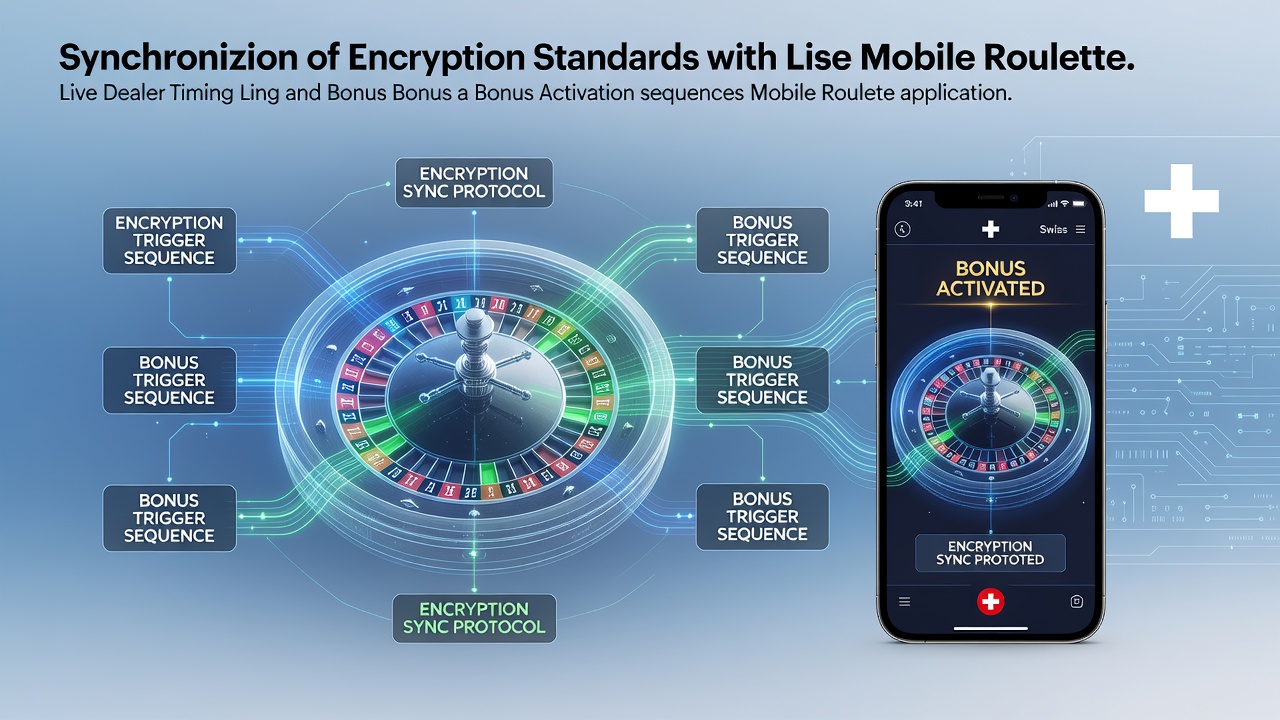
Swiss mobile roulette applications require precise coordination between encryption protocols and live dealer operations to maintain both security and seamless gameplay, while bonus activation sequences must align with these timing mechanisms without introducing delays or vulnerabilities. Data from regulatory filings indicate that operators integrate AES-256 encryption standards with real-time streaming protocols such as WebRTC, ensuring that video feeds from physical roulette wheels reach players with latencies under 200 milliseconds in most documented cases.
Core Technical Components of Synchronization
Live dealer timing relies on synchronized clocks across casino studios and mobile client applications, where network time protocol servers provide the baseline reference and encryption handshakes occur during initial connection establishment. Researchers at technical institutes have documented that these handshakes incorporate perfect forward secrecy to protect session keys, while the same timestamp data feeds into bonus trigger algorithms that activate promotional sequences only after verified dealer actions complete their cycle. Studies conducted through European research consortia show that misalignment between these elements can exceed acceptable thresholds when mobile network jitter surpasses 50 milliseconds, prompting developers to embed buffer mechanisms that adjust encryption packet sequencing on the fly.
Encryption Standards in Practice
Swiss regulations under the Federal Act on Gambling mandate that all transmitted data, including live video streams and bonus eligibility checks, undergo end-to-end encryption that meets or exceeds current NIST guidelines. Operators achieve this by layering TLS 1.3 over UDP-based transport for low-latency video, while separate encrypted channels handle account state updates and bonus ledger modifications. According to reports from the European Union Agency for Cybersecurity, such layered approaches reduce the attack surface for timing-based exploits that might otherwise predict or interfere with bonus activation windows.
Live Dealer Integration Mechanics
Physical roulette tables in licensed Swiss facilities transmit wheel spin data through dedicated capture systems that timestamp each ball drop and outcome with sub-millisecond precision. Mobile applications receive these timestamps alongside encrypted video packets, allowing client-side rendering to match the actual event sequence even when network conditions fluctuate. Observers note that bonus activation sequences often depend on specific outcome patterns, such as consecutive red numbers or wheel sectors, so the encryption layer must preserve the integrity of these timestamps without adding computational overhead that disrupts the flow. In September 2026, several Swiss platforms plan to adopt updated quantum-resistant key exchange methods that maintain compatibility with existing live dealer timing infrastructure.
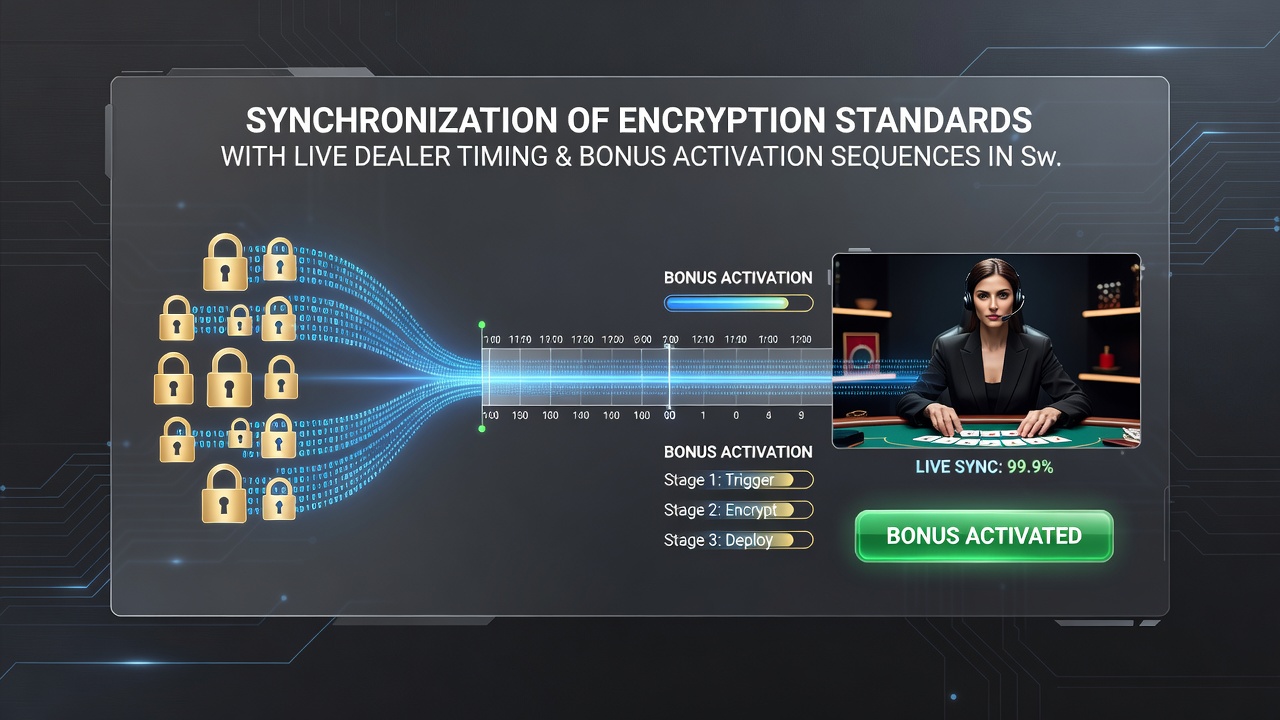
One documented case involved a development team that adjusted packet fragmentation settings to keep video decryption times below 30 milliseconds on mid-range Android devices, thereby preserving the synchronization required for accurate bonus eligibility evaluation.
Bonus Activation Sequence Coordination
Bonus triggers in these applications operate on state machines that reference both live outcome data and player account parameters, all processed through encrypted API endpoints that validate requests in under 100 milliseconds. Industry reports from the Canadian Gaming Association highlight how similar systems elsewhere have used distributed ledger techniques to log bonus events immutably, a practice that Swiss operators have begun exploring to enhance audit trails without compromising real-time performance. The coordination demands that encryption operations complete before the next dealer action begins, since any lag could desynchronize the bonus window from the actual game event.
Regulatory and Technical Oversight
Swiss oversight bodies require continuous monitoring of synchronization metrics, with automated alerts triggered when encryption processing or live feed delays exceed predefined thresholds. Data compiled by academic groups at Australian universities demonstrate that proactive load balancing across content delivery networks helps maintain consistent performance, particularly during peak evening hours when mobile traffic spikes. These measures ensure that bonus sequences activate only after cryptographic verification confirms the authenticity of both the dealer outcome and the player's eligibility status.
Future Developments and Standards Evolution
Technical working groups continue to evaluate emerging protocols that could further tighten the integration between encryption cycles and live timing signals. Evidence from pilot implementations suggests that incorporating machine learning models to predict network congestion allows preemptive adjustment of encryption parameters, keeping bonus activations aligned with dealer actions across varying mobile conditions. Swiss platforms remain subject to periodic compliance reviews that assess these synchronization capabilities alongside broader security benchmarks.
Conclusion
The synchronization of encryption standards with live dealer timing and bonus activation sequences forms a foundational element of Swiss mobile roulette applications, supported by layered security protocols, precise timestamping, and regulatory requirements that evolve with technological advances. Information from multiple international sources, including ENISA reports on secure communications and studies from North American research institutions, underscores the ongoing refinement of these systems to balance security, speed, and compliance.