Decoding Synchronization Patterns Between Bonus Triggers and Secure Payout Flows in Switzerland's Digital Blackjack Applications
Zara Carter · Sep 19, 2026
Decoding Synchronization Patterns Between Bonus Triggers and Secure Payout Flows in Switzerland's Digital Blackjack Applications
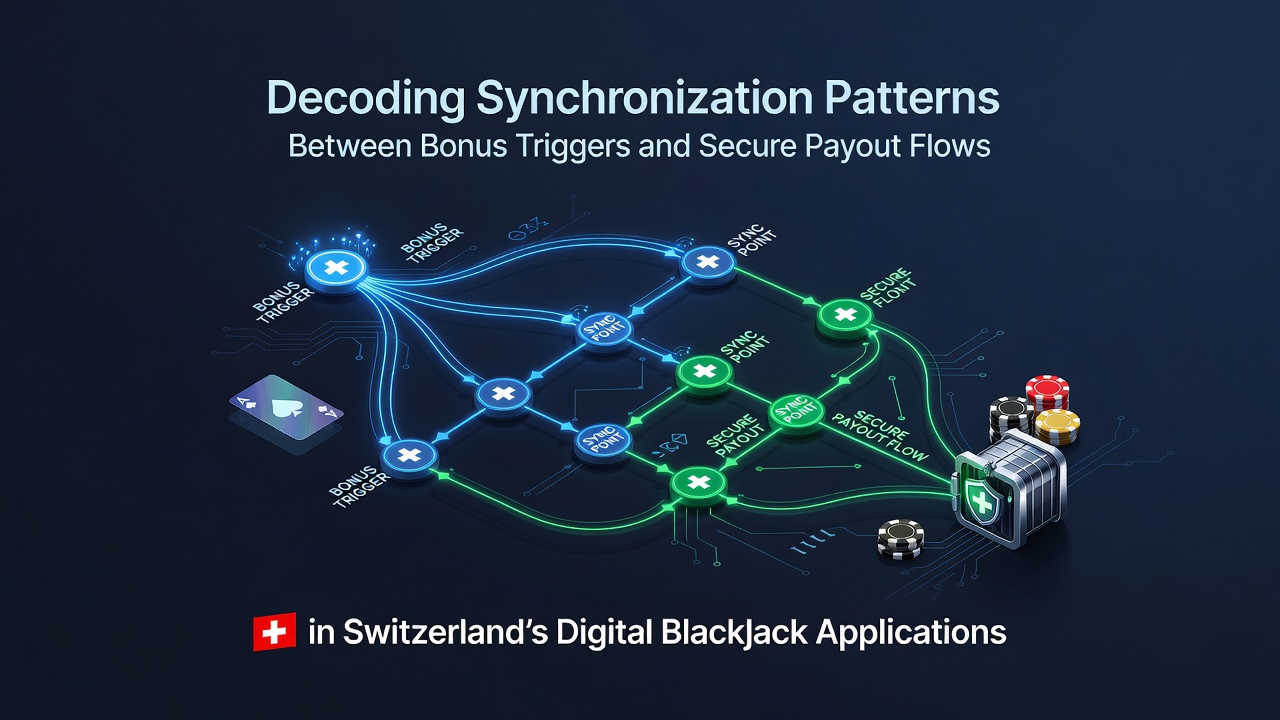
Swiss digital blackjack platforms rely on precise timing mechanisms that align bonus trigger events with secure payout verification sequences, and researchers have documented how these systems coordinate data packets across multiple servers to maintain regulatory compliance while processing player rewards. According to reports from the Federal Gaming Board, synchronization protocols in licensed applications use timestamped event logs to match bonus activations directly with encrypted transaction flows, which reduces latency during high-volume periods in 2026.
Core Mechanisms in Swiss Blackjack Synchronization
Developers implement event-driven architectures where bonus triggers initiate a chain of cryptographic checks that verify player eligibility before any payout authorization occurs, and this process incorporates real-time audits from independent monitoring services. Data from industry reports shows that these patterns typically involve three distinct phases: initial trigger detection, secure hash validation, and final payout queue integration, each linked through standardized API endpoints that Swiss operators must maintain under current licensing rules. Observers note that misalignment in any phase can delay fund releases by several seconds, prompting ongoing refinements to the underlying algorithms.
Timing Alignment and Encryption Protocols
Encryption layers wrap every data exchange between bonus modules and payout systems, yet the synchronization relies on shared clock references that update every millisecond to prevent desync issues during peak activity. Experts at European research institutions have examined how Swiss applications integrate quantum-resistant hashing methods into these flows, which became more prominent following updates scheduled for September 2026. One case study revealed that platforms using dual-server redundancy achieved sub-100 millisecond response times when handling combined bonus and payout events, while single-server setups occasionally required additional verification steps.
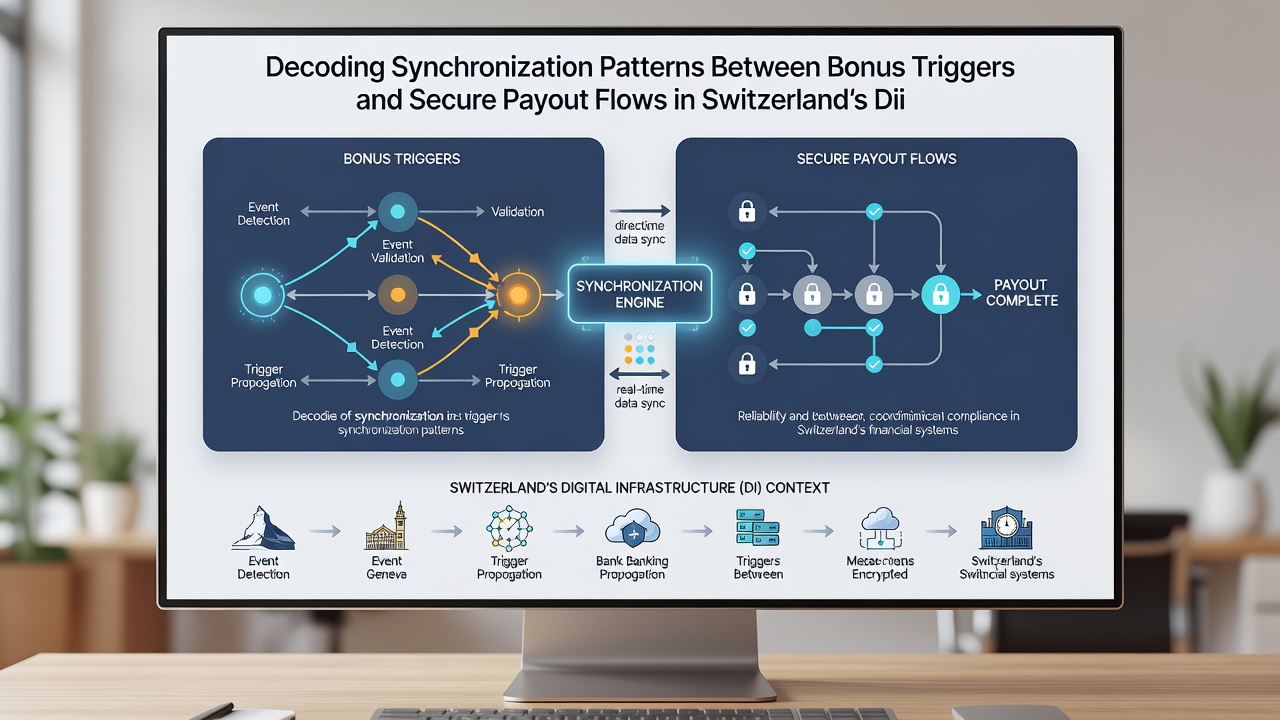
Regulatory frameworks enforced by the Federal Office of Justice require detailed logging of every synchronization event, and these records help identify patterns that indicate potential system strain or external interference attempts. Applications often employ predictive load balancing to anticipate bonus trigger surges, which in turn stabilizes payout queues by redistributing computational resources across regional data centers.
Regulatory Context and Technical Standards
Switzerland's licensing conditions tie directly into these synchronization requirements, and the Swiss Federal Gaming Board publishes annual compliance summaries that track average processing intervals for bonus-linked payouts. Figures from 2025 indicate that over 92 percent of verified transactions in licensed blackjack applications completed their full cycle within defined windows, a metric that operators monitor through automated dashboards. Meanwhile, academic papers from Canadian universities have compared these Swiss methods with systems in other jurisdictions, highlighting differences in how encryption keys rotate during active sessions.
Integration with third-party audit tools adds another layer to the pattern recognition process, allowing operators to flag anomalies in trigger-to-payout sequences before they affect player accounts. Those who've analyzed system logs report that common synchronization points occur at bonus eligibility confirmation, cryptographic signature generation, and final ledger updates, each serving as a checkpoint in the overall flow.
Future Developments in Pattern Management
Updates planned for September 2026 introduce enhanced monitoring for cross-border transaction patterns, which could influence how Swiss applications handle international player bonuses alongside domestic payout rules. Industry associations have begun testing machine learning models that predict synchronization bottlenecks based on historical trigger data, and early trials suggest improved stability during tournament events. External sources such as the Nevada Gaming Control Board provide comparative benchmarks that Swiss developers reference when refining their own protocols.
Conclusion
Overall patterns in Swiss digital blackjack applications demonstrate a consistent focus on aligning bonus triggers with secure payout mechanisms through layered encryption and precise timing controls, supported by regulatory oversight from bodies including the Federal Gaming Board. Continued refinement of these systems ensures that transaction integrity remains intact across evolving technical standards, and data collected through September 2026 will likely inform further adjustments to synchronization frameworks.