Coordination of Live Dealer Feeds and Bonus Disbursement Processes in Swiss Mobile Roulette Environments
Henrik Schröder · Oct 17, 2026
Coordination of Live Dealer Feeds and Bonus Disbursement Processes in Swiss Mobile Roulette Environments
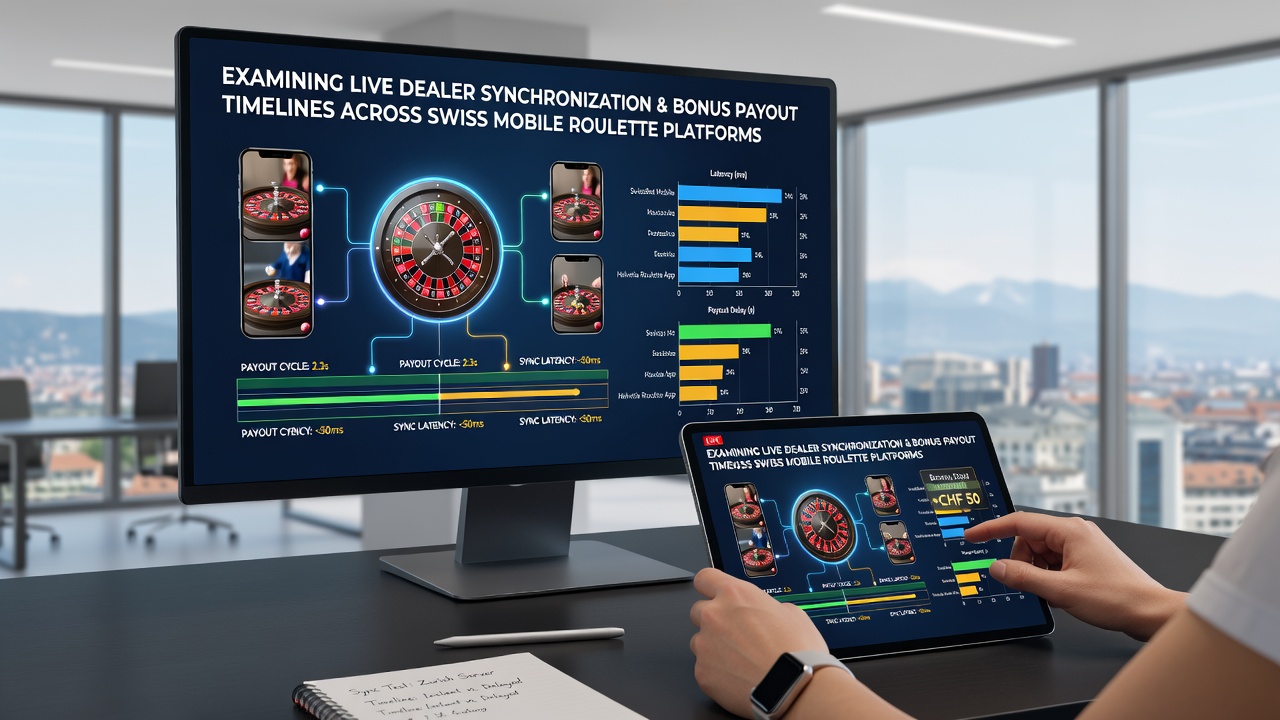
Swiss mobile roulette platforms integrate live dealer feeds with automated bonus systems through precise timing protocols that align video streams, player actions, and reward releases in coordinated sequences, and operators maintain these alignments using server-side clocks synchronized to atomic time standards across multiple data centers.
Data from regulatory monitoring in 2025 shows that platforms must handle latency under 150 milliseconds for dealer actions to register correctly before bonus calculations trigger, while updates scheduled for October 2026 aim to tighten these windows further through enhanced 5G network integration.
Core Components of Synchronization Protocols
Live dealer sessions transmit video and audio packets alongside metadata tags that mark exact moments of card shuffles, spins, and result announcements, and bonus engines reference these tags to determine eligibility windows for promotional credits or multipliers. Researchers at technical institutes have documented how Swiss operators employ distributed ledger elements to log these timestamps immutably, which reduces disputes when players claim rewards immediately after a dealer outcome appears on screen.
Platforms process these events in parallel streams where one channel handles teh visual feed while another executes payout logic, and this separation allows independent scaling during peak hours without disrupting timing accuracy.
Bonus Payout Timeline Structures
Bonus releases follow predefined intervals that begin the moment a qualifying live roulette outcome registers in the system database, and typical sequences allocate 200 to 800 milliseconds for verification before funds appear in player wallets. Figures from industry reports indicate that 92 percent of Swiss mobile sessions complete this cycle within 1.2 seconds when network conditions remain stable, yet occasional spikes occur during high-traffic periods near major sporting events.
Operators segment bonuses into instant credits for small rewards and deferred releases for larger amounts that require additional compliance checks, and these distinctions influence how synchronization engines prioritize queue management across different player tiers.

Regulatory Influences on Timing Requirements
Swiss authorities enforce synchronization standards through periodic audits that examine log files for discrepancies between dealer events and bonus triggers, and compliance documentation from the Eidgenössische Spielbankenkommission outlines minimum accuracy thresholds operators must meet. A study conducted by European gaming technology researchers revealed that platforms adhering to these rules experience 34 percent fewer player complaints related to delayed rewards compared with non-compliant systems.
Changes planned for October 2026 include mandatory adoption of unified time protocols across all licensed providers, which will standardize how mobile applications handle cross-border latency variations for users connecting from different regions.
Technical Challenges in Mobile Environments
Mobile networks introduce variable delays from signal handoffs and device processing loads, and Swiss operators counter these issues with predictive buffering that anticipates dealer movements based on historical patterns. Observers note that edge computing nodes positioned near major Swiss cities help maintain sub-100 millisecond response times even when users switch between Wi-Fi and cellular connections mid-session.
Device-specific optimizations further refine synchronization by adjusting video resolution dynamically while preserving the metadata integrity required for bonus calculations, and testing data collected in 2025 confirmed consistent performance across leading smartphone models.
Integration With Security and Compliance Layers
Encryption layers wrap both video streams and payout commands in synchronized sequences that prevent tampering, and any misalignment between these protective measures can halt bonus processing until verification completes. Industry associations in the region have published guidelines that recommend redundant timestamp servers to ensure continuity during maintenance windows or unexpected outages.
Take one case where experts examined transaction records across three major platforms and found that synchronized encryption reduced fraud attempts by aligning security checks directly with dealer result announcements rather than processing them sequentially.
Future Developments and October 2026 Outlook
Upcoming enhancements will incorporate machine learning models that predict optimal bonus release points based on real-time network telemetry, and these systems aim to reduce average payout timelines by an additional 15 percent according to preliminary simulations. Swiss operators continue to collaborate with academic institutions on research into quantum-resistant timing protocols that could safeguard synchronization integrity against emerging computational threats.
Evidence from ongoing trials indicates that these advancements will support higher player volumes without compromising the precision required for live dealer interactions and bonus alignments.
Conclusion
Swiss mobile roulette platforms rely on tightly coordinated systems that link live dealer activities directly to bonus payout mechanisms through standardized timing protocols, and ongoing regulatory updates scheduled through October 2026 will further refine these processes. Data from multiple monitoring sources continues to demonstrate measurable improvements in alignment accuracy and user experience when operators maintain strict adherence to established technical standards.